

Key Takeaways
- Physical changes such as falls, poor balance, or trouble with personal care can point to a need for more daily support.
- Memory and mood changes can affect medication, appointments, household tasks, and social connection.
- Early conversations give your loved one more time to share their needs, concerns, and preferences.
- Specific examples can keep conversations focused on the support your loved one needs rather than what they can no longer do.
- Assisted living and memory care provide different levels of support based on a person’s daily and cognitive needs.
How to Tell When Someone Needs More Support
Changes at home aren’t always easy to judge. Your loved one might miss a meal one day, forget an appointment, or need a hand getting up from a chair. One event may not mean much on its own, but a pattern of changes can show that daily life is becoming harder to manage without support. To get your loved one the care they deserve, you need to learn to recognize the signs that they need more support than they’re getting.
The signs that your loved one needs more support are often small and easy to miss, but noticing them early gives your family time to plan with care and dignity. Watch for changes in mobility, personal care, eating habits, memory, household tasks, and mood. Some concerns may call for a little extra help, while others can point to a need for regular daily support.
Physical Signs Your Loved One May Need More Support
Physical changes can affect both safety and the daily tasks that keep a household running. Pay attention to new difficulties as well as tasks your loved one once handled with ease but now leaves unfinished.
Watch for:
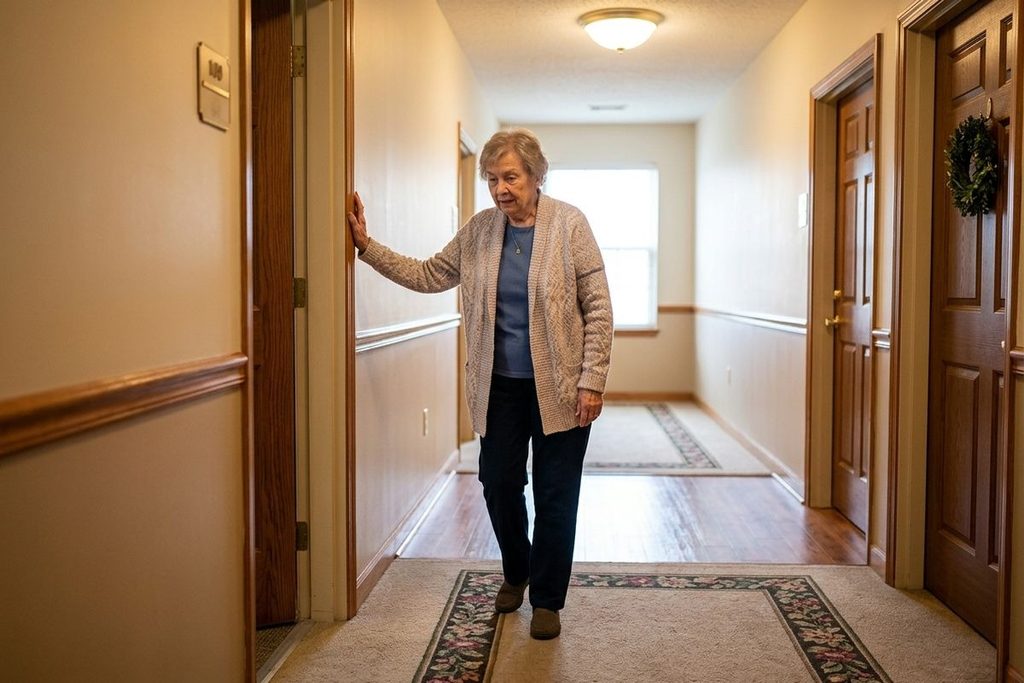
- Shuffling, reaching for furniture, or trouble standing and sitting
- Unexplained bruises or repeated falls
- Skipped showers, unwashed hair, stained clothes, or other grooming changes
- An empty refrigerator, spoiled food, missed meals, or unexplained weight changes
- Piles of mail, dirty dishes, laundry, or other chores left undone
A few changes together can tell you more than any single sign. Look for patterns and consider whether your loved one now needs help with tasks they previously managed alone.
Cognitive and Emotional Signs Your Loved One May Need More Support
Memory changes can affect far more than remembering a name or where someone put their keys. They can become a concern when they begin to interfere with medication, finances, appointments, familiar routines, or safety.
Pay closer attention to changes such as:
- Missing medication doses or taking the same medication twice
- Asking the same question several times within a short period
- Forgetting appointments, bills, or important paperwork
- Getting lost in familiar places or becoming confused about the date, time, or season
- Pulling away from friends, family, hobbies, or regular outings
- Showing new anxiety, sadness, irritability, or other noticeable changes in behavior
These changes don’t determine the cause on their own. But if they become frequent or begin affecting daily life, a healthcare provider can help your family understand what may be happening.
How to Talk About Additional Support
Talking about support can be sensitive because home, privacy, and daily routines matter. A useful conversation focuses on what your loved one is experiencing and where some help could make daily life easier.
Start the Conversation Early
Raise the subject before a fall, medication mistake, or other urgent event forces a quick decision. Choose a calm time and give the conversation room to continue over several discussions instead of trying to settle everything at once.
Focus on Specific Changes You’ve Noticed
Use concrete examples instead of broad statements about what your loved one can or cannot do. Mention the missed meals, unpaid bills, recent falls, or other changes you’ve actually seen, then ask how those situations have felt from their perspective. This keeps the discussion grounded in daily life rather than judgment.
Listen to Their Concerns and Priorities
Ask what feels harder lately and which parts of their routine matter most to them. Concerns about privacy, schedule changes, leaving home, or losing control over everyday choices can all shape what kind of support feels acceptable.
Discuss Possible Solutions Together
Talk through support options based on the needs you’ve already identified. Keep your loved one involved in comparing choices so the decision reflects both practical concerns and personal preferences. Not every change requires the same level of support.
Bring in Trusted Support When Needed
A doctor can offer useful input about mobility, medication, memory, or other health changes. Other relatives may also help if they know the situation well, but keep the group small enough that the conversation doesn’t feel like a confrontation.
What Kind of Senior Living Support May Help?
If living alone no longer provides enough support, the next question is what kind of help fits your loved one’s needs. You typically have two options: assisted living and memory care.
Assisted Living
Assisted living can support older adults who need regular help with tasks such as bathing, dressing, mobility, or medication reminders. It can also reduce the burden of household chores while allowing residents to make their own choices throughout the day. This lifestyle is highly customizable, too, as the amount of support provided depends entirely on each person’s needs.
Memory Care
Memory care provides structured support for people living with Alzheimer’s disease, dementia, and other forms of cognitive change. It’s the ideal choice when confusion, getting lost, medication mistakes, or other memory-related changes begin to affect daily safety and routines.
Support for the Life Your Loved One Knows
Changes in mobility, daily routines, memory, or mood can signal that living alone is becoming harder to manage. But by looking at the patterns and assessing the changes, your family can quickly learn what type of support your loved one needs. You’re not alone, either—our team at Bay Lake is ready to step in and help.
At Bay Lake, we know these conversations can take time, and you don’t have to have every answer before reaching out. Our team is here to answer questions about assisted living and memory care and help you understand what support could look like for your loved one. Book a tour at Bay Lake today to learn more about how we can support your loved one.