Key Takeaways
- Safe slippers need non-slip soles with good tread patterns to grip different floor surfaces.
- Proper fit includes heel support, secure closure, and room for natural foot swelling.
- Testing slippers by walking around helps you identify stability issues before you purchase them.
- Regular cleaning and timely replacement maintain the safety features of your slippers.
- Safe slippers work alongside other fall prevention measures in your home.
Reduce Fall Risk with Proper Indoor Footwear
Walking around your home should feel comfortable and secure, not like navigating a potential hazard zone. Every day, you rely on your slippers to keep your feet warm and protected as you move from room to room, but the wrong pair can actually put you at risk for slips and falls. At Bay Lake by RUI, we understand how important proper footwear is for maintaining your independence and safety at home.
The right slippers can significantly reduce your fall risk by providing proper grip, support, and stability on various home surfaces.
When you choose slippers with the right features and maintain them properly, you’re taking an important step toward staying safe and independent in your own space. Just like selecting the right walking shoes for outdoor activities, choosing appropriate indoor footwear deserves the same careful consideration.
Why the Right Slippers Matter for Your Safety
Your feet change as you age, and the surfaces in your home can become more challenging to navigate safely. Hardwood floors, tile, and even carpet can become slippery when you’re wearing the wrong footwear. Many falls happen during routine activities like getting up at night or walking to the kitchen for a snack.
Traditional house slippers often lack the grip and support your feet need. Smooth soles can make everyday movements risky, especially on stairs or other smooth surfaces. When your slippers don’t fit properly, your gait changes, which can throw off your balance.
The connection between footwear and home safety becomes even more important if you take medications that affect balance or if you experience changes in vision or mobility. Safe slippers act as your first line of defense against unexpected slips, giving you the confidence to move freely in your own home. This becomes particularly relevant for conditions that can affect mobility, such as swollen ankles, which may change how your feet fit in footwear.
Key Features to Look for in Safe Slippers
Non-Slip Soles and Traction
The bottom of your slipper makes all the difference when it comes to preventing falls. Look for rubber soles that feel slightly tacky to the touch rather than smooth or slick surfaces. Good rubber grips onto wood, tile, and linoleum without feeling sticky or difficult to walk in.
Tread patterns help channel moisture away from the sole and create multiple points of contact with the floor. You can test this by gently rubbing the sole across different surfaces in the store. If it slides easily, it won’t provide the grip you need at home.
Proper Fit and Support
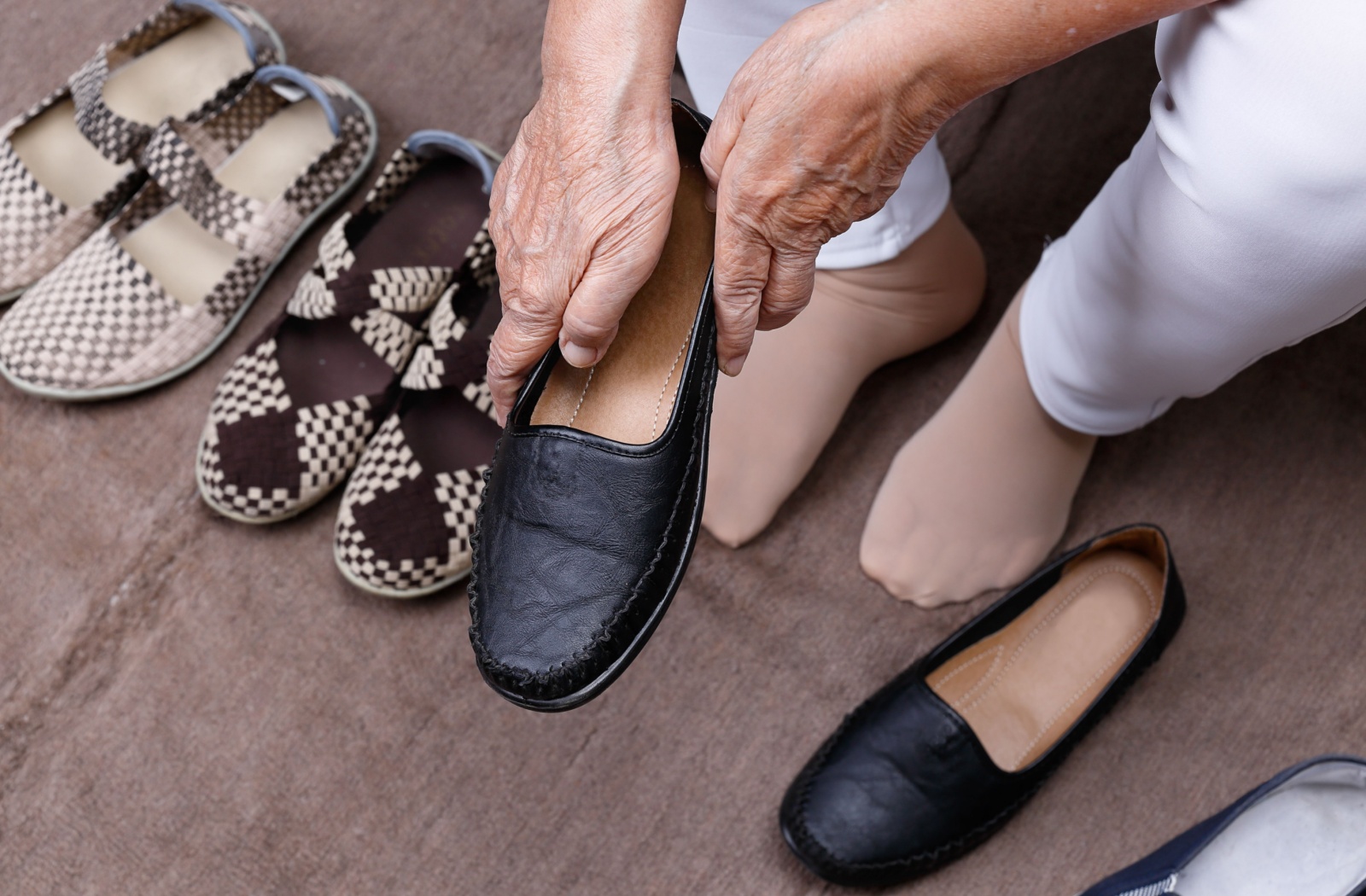
Your slippers should cradle your heel rather than letting it slide around. Heel cups keep your foot positioned correctly and prevent the slipper from slipping off mid-step. This feature becomes particularly important if you have balance concerns or take medication that affects coordination.
Adjustable straps, velcro closures, or elastic panels let you customize the fit throughout the day. Your feet naturally swell as the day progresses, so having some adjustability keeps your slippers comfortable without becoming loose. Room in the toe area prevents cramping while maintaining overall security.
Sturdy Construction and Materials
Closed-toe slippers protect your feet from bumps and provide more stability than open styles. The extra coverage also keeps your toes warmer and reduces the risk of catching them on furniture or rugs.
Breathable materials like cotton or moisture-wicking fabrics prevent your feet from becoming sweaty and uncomfortable. Look for reinforced stitching around high-stress areas like the heel and toe. Quality construction means your slippers can maintain their shape and safety features longer.
How to Find the Right Fit for Your Feet
Measuring Your Feet Properly
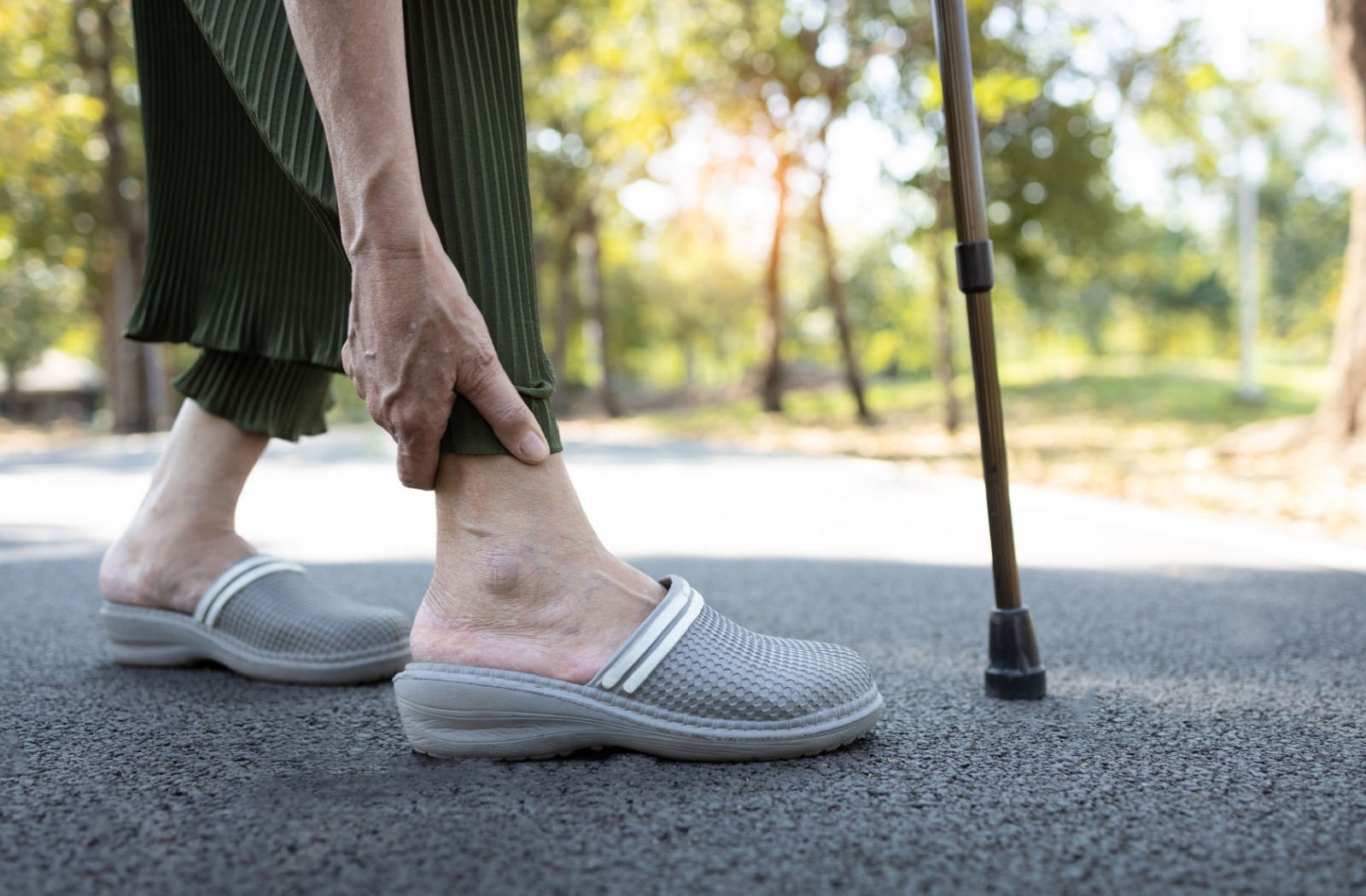
Measure your feet later in the day, when they’re at their largest. Your feet naturally expand throughout the day due to walking and gravity, so morning measurements might lead to slippers that feel tight by evening.
Foot shape can change with age due to conditions such as arthritis or general wear and tear. Don’t assume you’re still the same size you were several years ago. Width becomes just as important as length, especially if you experience swelling or have developed foot conditions that affect shape. Regular exercise can help maintain foot health and circulation, which affects how footwear fits throughout the day.
Testing Slippers Before You Buy
Walk around the store or your home if you’re shopping online with a good return policy. Pay attention to how your foot moves inside the slipper and whether your heel stays in place. Your toes shouldn’t hit the front, but you also shouldn’t have excessive room that lets your foot slide around.
Notice if you naturally adjust your walking pattern or if the slippers make you feel unsteady. Signs of poor fit include having to grip with your toes to keep them on, feeling pressure points, or noticing that one foot feels different than the other.
Common Slipper Mistakes That Increase Fall Risk
- Wearing slippers that are too loose can cause a shuffling gait and increase the risk of tripping over the slippers.
- Choosing slippers with poor sole grip makes every smooth surface in your home a potential hazard.
- Keeping worn-out slippers past their useful life means you’re walking on compressed soles that no longer provide adequate support or traction.
- Using bedroom slippers designed only for carpet on hardwood or tile surfaces puts you at risk because they weren’t designed for those surfaces.
These mistakes become more significant when combined with other factors that can affect stability and mobility in your daily routine. Understanding these risks helps you make better choices about your home safety.
Safe slippers complement other fall-prevention strategies like good lighting and clutter-free pathways. Choose slippers with reliable traction for all home surfaces, and maintain them by cleaning them according to the instructions, removing debris from the soles, and air-drying. Replace slippers when the soles wear, the heels compress, or the uppers stretch, as worn footwear can compromise both safety and comfort.
Tour Bay Lake and Step Into Safety and Comfort
Taking the time to choose safe, well-fitting slippers shows the same care and attention you deserve in all aspects of your daily life. At Bay Lake by RUI, we focus on creating safe, comfortable environments where residents can move with confidence throughout their daily routines.
If you’d like to learn more about how we support safety and independence through our independent living, assisted living, memory care, or respite care programs, we’d love to show you around our beautifully designed community in Virginia Beach. Come take a tour!